Digital Marketing / Growth
AAE Fundraising: Turning Catalog Requests Into a Trackable Acquisition Funnel
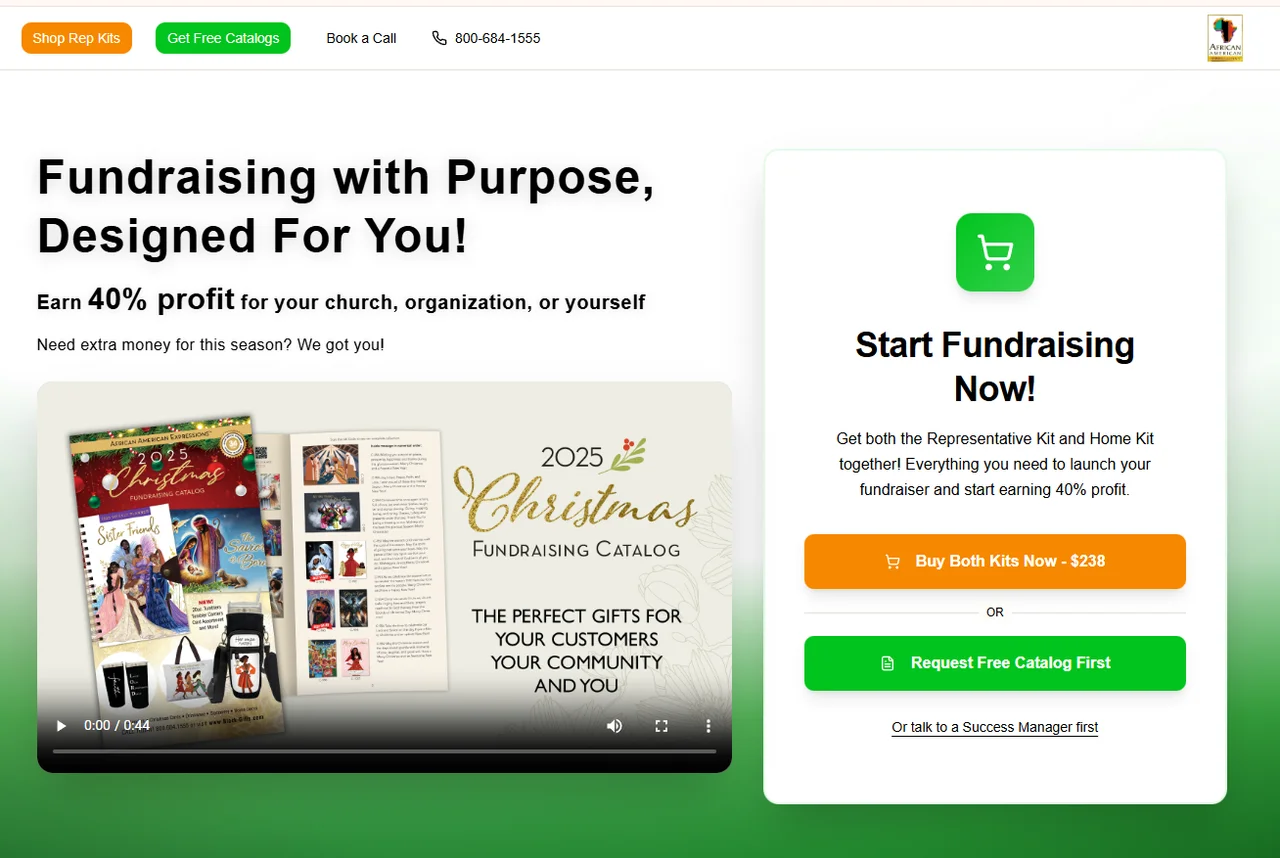
AAE’s fundraising program needed a cleaner way to acquire and capture organization-level interest. I built a dedicated landing page and lead workflow so catalog requests could be generated, structured, and tracked instead of living as an ad-hoc process.
- AAE fundraising · cost per lead
- ~$7 → ~$1
- AAE fundraising · increase in catalog requests
- ~1,000%
The problem
A catalog request is more useful when the team knows which organization is interested, who to contact, how that person found the program, and whether they want a callback. The funnel needed a dedicated destination and structured intake.
My role
I built the landing page and lead workflow, connecting the public form to a usable internal record for fundraising inquiries.
What I built
- Dedicated Vercel front end and web forms
- Google Apps Script integration
- Google Sheets lead workflow
- Organization and contact information capture
- Referral-source capture
- Callback-intent capture
From acquisition to a usable request
The form makes the request explicit and collects the information the team needs for the next step. The workflow connects those fields to the internal lead record.
- Meta acquisition
- Fundraising landing page
- Catalog-request form
- Apps Script
- Google Sheets
Launch and measurement
The implementation connects the landing page, form, script, and sheet. The reported acquisition measures are cost per lead and catalog-request volume; those figures do not establish downstream fundraising revenue.
Tools and working methods
- Vercel
- Web forms
- Google Apps Script
- Google Sheets
- Meta Ads
Result
CPL improved from ~$7 → ~$1, and catalog requests increased ~1,000%.
What I learned
A useful acquisition funnel does two jobs: it makes the customer’s next action clear and gives the business structured information it can act on.